DMAIC phases explained

DMAIC phases explained

The DMAIC process follows 5 phases, which are foundational for the process improvement efforts, setting goals, and analyzing results. The five phases are: 1. Define, Measure, Analyze, Improve and Control. What Does DMAIC Stand For? It represents the 5 phases View diagram DMAIC phases explained→

Lean Six Sigma 8 Types of Waste Explained

Lean Six Sigma 8 Types of Waste Explained

The seven wastes are Transportation, Inventory, Motion, Waiting, Overproduction, Overprocessing and Defects. The eight waste is human capital. Lean six sigma waste types are shown in the below diagram.

Cognitive biases

Cognitive biases

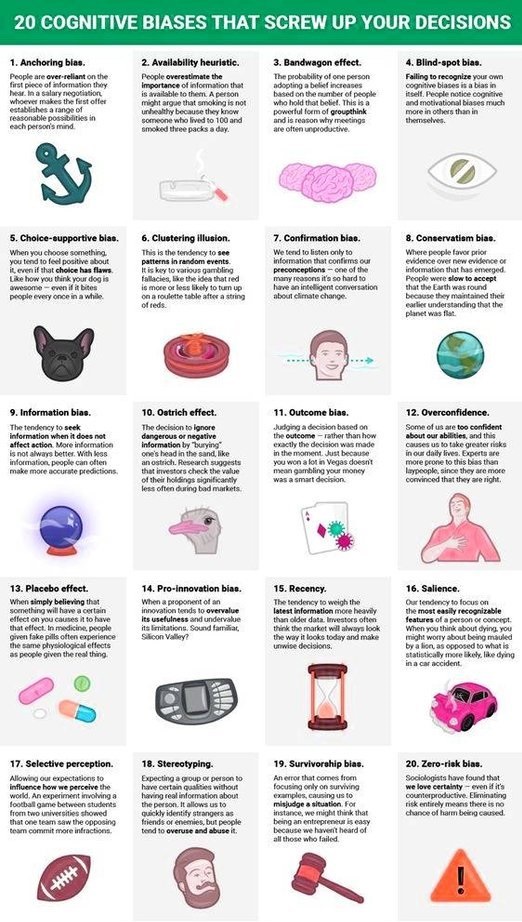
What are the different cognitive biases and how do they affect us and cloud our decision making. Anchoring bias, confirmation bias, overconfidence, information bias, placebo effect, recency and other types of biases Cognitive biases include anchoring bias, confirmation bias, overconfidence, View diagram Cognitive biases→

KPI examples by industry

KPI examples by industry

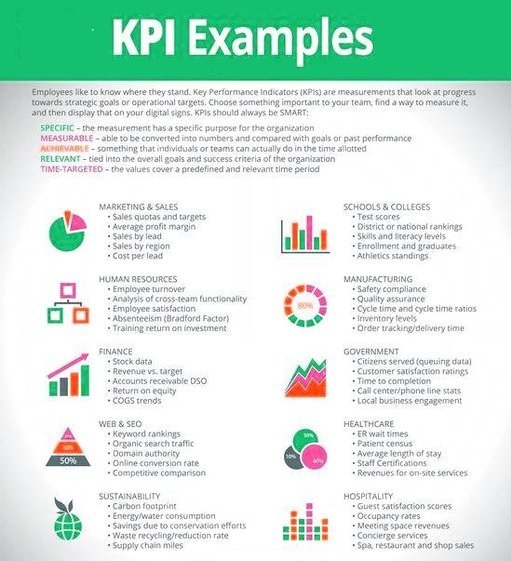
The below diagram shows key performance indicators (KPI) by industry. KPI that works in one industry may not work in an another