Curacao GDP

Curacao GDP

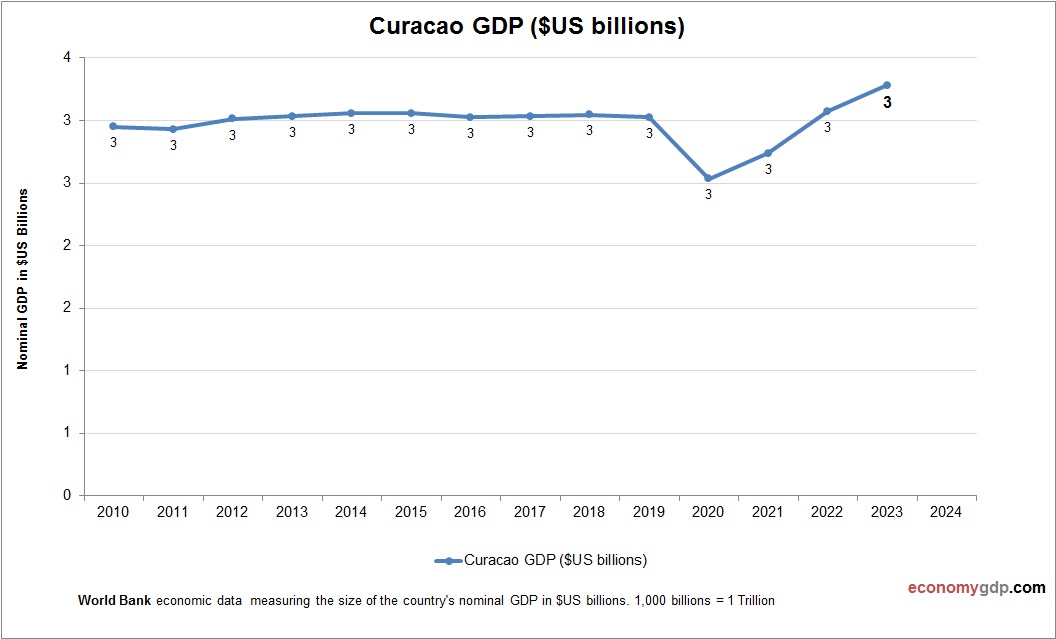
Curacao's $5.8 billion economy, growing 2.5% in 2025, depends on tourism, oil refining, and international trade, with per capita GDP at $28,000. Petroleum exports lead, but food imports strain finances. Climate vulnerability and reliance on Dutch aid challenge stability for View diagram Curacao GDP→

Ecuador Inflation

Ecuador Inflation

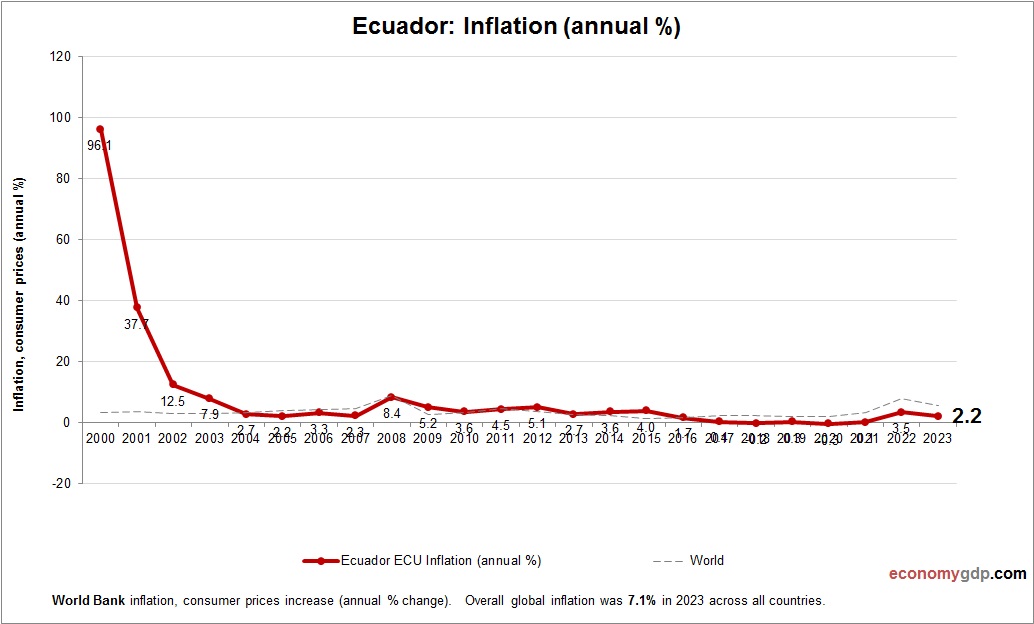
This graph shows Ecuador Inflation. This is according to World Bank consumer price index stats by country. Based on the latest available information for Ecuador. Ecuador maintains relatively low inflation due to dollarization, but global fuel and food prices, along View diagram Ecuador Inflation→

Liberia GDP

Liberia GDP

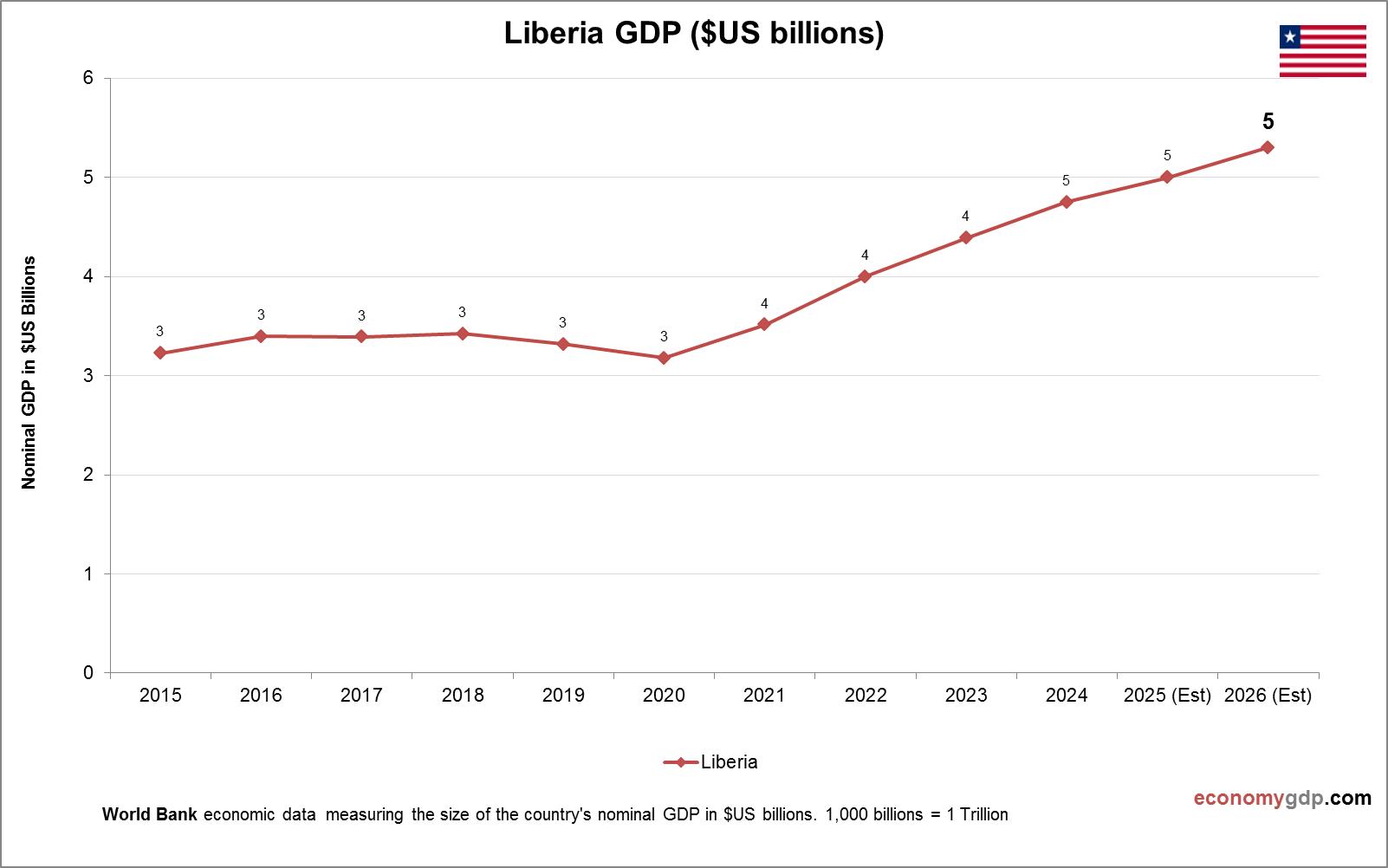
Liberia's economy is resource-based, relying on agriculture, mining, and forestry. Rubber, palm oil, and timber are major exports, while iron ore and gold add to GDP. Agriculture employs most of the population, often at subsistence level. Post-civil war reconstruction has View diagram Liberia GDP→

Paraguay Economy

Paraguay Economy

Paraguay's economy centers on soy, beef, and hydropower exports. Agriculture dominates. Asunción's services expand. Challenges involve informality. Efforts target manufacturing. Paraguay's landlocked position uses rivers for trade. Low taxes attract investment. Stability fosters progress. World Bank Data. 2000-2024. Last updated View diagram Paraguay Economy→

Japan Inflation

Japan Inflation

This graph shows Japan Inflation. The consumer price statistics are compiled by World Bank. Based on the latest economic data provided for Japan. Japan’s inflation has historically been low, but recent increases stem from rising energy import costs and yen View diagram Japan Inflation→

Barbados GDP

Barbados GDP

Barbados's $5.5 billion economy, growing 3.5% in 2025, thrives on tourism, offshore finance, and sugar, with per capita GDP at $15,000. Rum exports lead, but fuel imports strain trade for its 280,000 residents. Debt and climate risks challenge progress. Recent View diagram Barbados GDP→

Kiribati GDP

Kiribati GDP

Kiribati's economy is small and vulnerable, relying heavily on fisheries, foreign aid, and remittances. Tuna fishing licenses generate key government revenue, while subsistence agriculture and copra production support local livelihoods. Tourism exists but is limited due to remoteness and infrastructure View diagram Kiribati GDP→

Equatorial Guinea Inflation

Equatorial Guinea Inflation

This graph shows Equatorial Guinea Inflation. Inflation data is sourced from World Bank. Change in consumer prices for Equatorial Guinea. Equatorial Guinea experiences inflation due to dependence on oil exports, weak economic diversification, and high import costs for basic goods.