U.S. Civil War Greenbacks: First Fiat Currency
During the U.S. Civil War, the Union issued ‘greenbacks,’ fiat money not backed by gold or silver, stabilizing wartime finance and introducing a new form of currency.

World economy charts, business frameworks and diagrams
During the U.S. Civil War, the Union issued ‘greenbacks,’ fiat money not backed by gold or silver, stabilizing wartime finance and introducing a new form of currency.
The first ATM was installed in London in 1967 by Barclays Bank, forever changing banking convenience.
George Soros broke the Bank of England in 1992 by shorting the pound, earning $1 billion in a day and highlighting currency market power.
The Silk Road, connecting China to Europe, revolutionized early commerce. Beyond goods like silk and spices, it spread culture, religion, and technology. This vast trade network laid the foundation for globalization centuries before the term existed.
In 1600, Queen Elizabeth I chartered the British East India Company, which ruled vast territories in India.
The Great Fire of Chicago (1871) destroyed businesses but led to the rise of modern insurance firms like Lloyd's and State Farm.
The Industrial Revolution, beginning in 18th-century Britain, transformed economies across the world. Steam engines, mechanized looms, and iron production revolutionized manufacturing and transportation. Britain became the workshop of the world, exporting goods on an unprecedented scale. However, industrialization also brought View diagram Industrial Revolution in Britain Economic Transformation
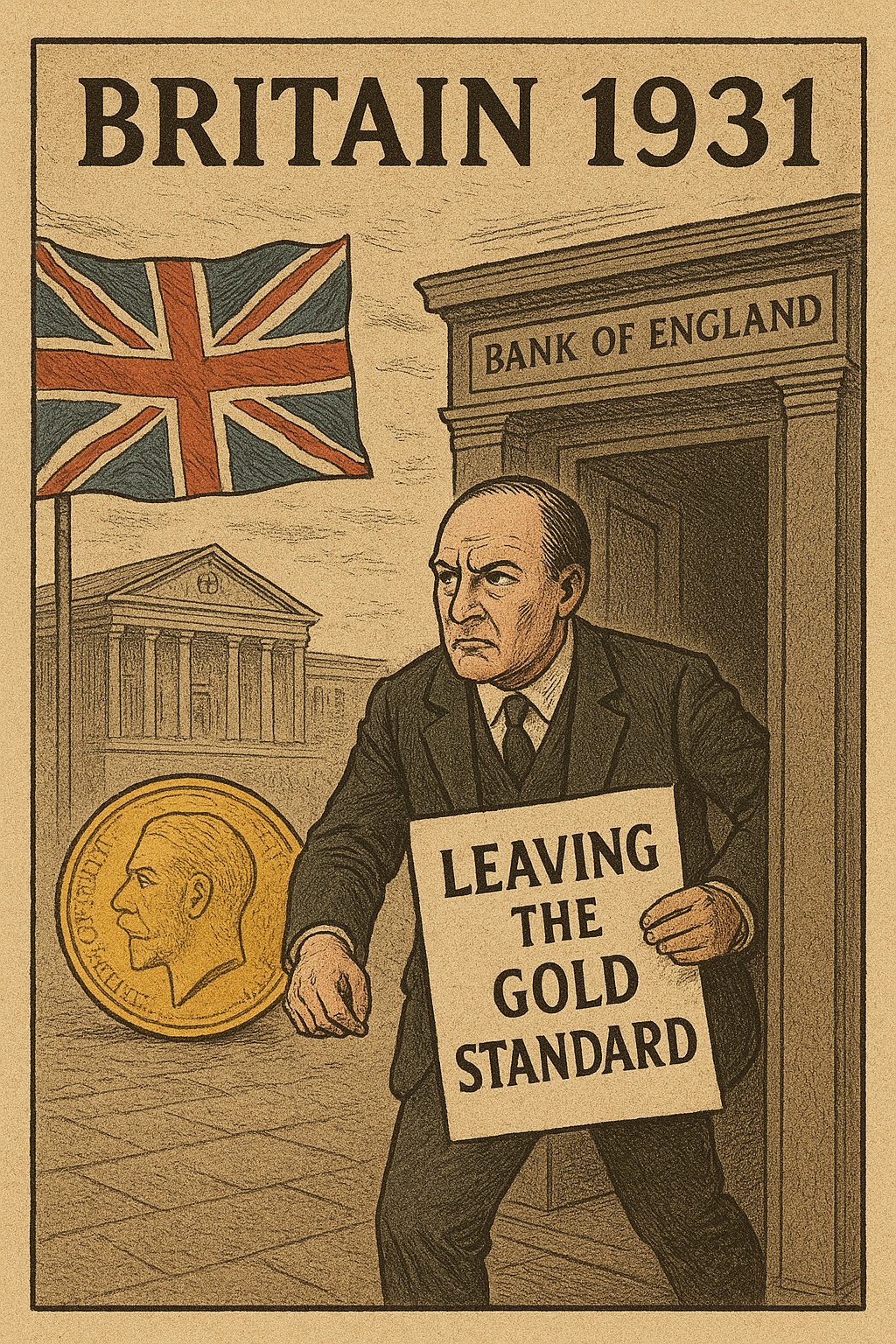
Britain left the gold standard in 1931, allowing monetary flexibility and influencing global financial policy shifts. In September 1931, Britain’s decision to abandon the gold standard marked one of the most dramatic turning points in modern economic history. For years, View diagram Britain 1931: Leaving the Gold Standard
The 14th-century Black Death killed a third of Europe, causing labor shortages, rising wages, and reshaping economic structures.
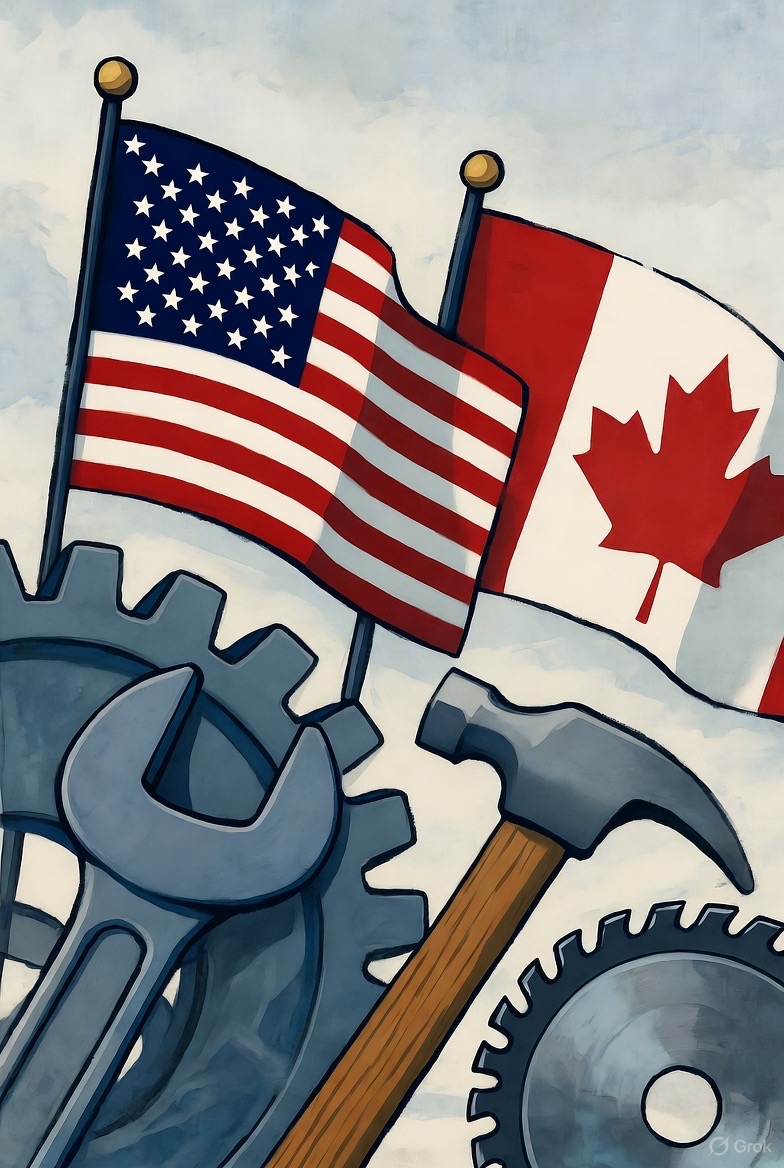
The long-standing economic partnership between the United States and Canada—built on mutual trade, shared supply chains, and geographic proximity—is now under significant strain. In 2025, Canada’s economy was still much dependent on US economy and remained one of the United View diagram Canada – US Tariffs Trade War Explained