
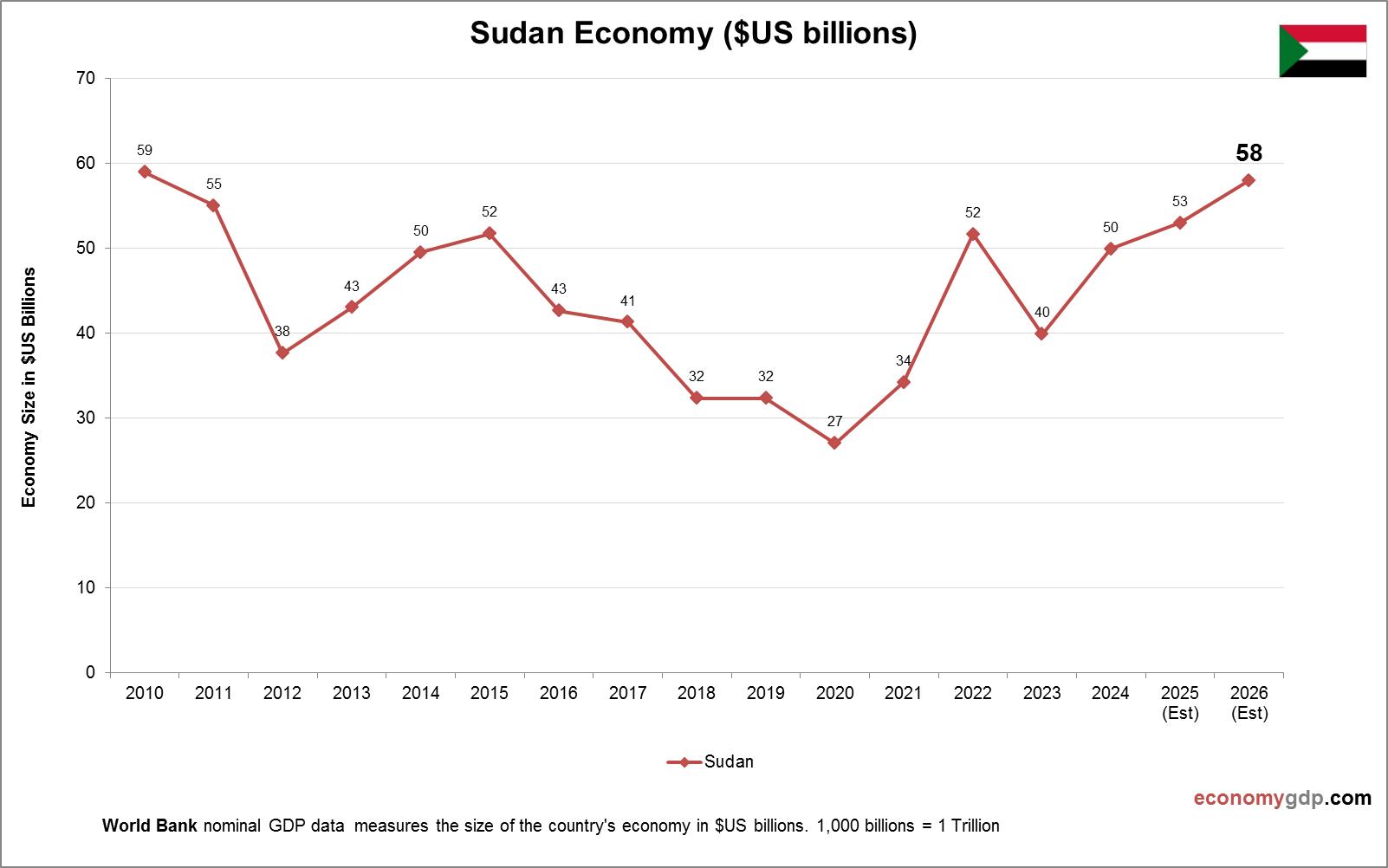
Sudan’s economy, worth $35 billion, depends on agriculture, which employs 80% of the workforce, producing sorghum, cotton, and livestock. Oil, though reduced since South Sudan’s split, remains key, alongside gold mining. Informal trade and remittances are significant. Emerging sectors include telecoms and renewable energy (solar). Conflict since 2023, inflation, and sanctions severely disrupt growth, displacing millions. Sudan’s fertile land and Nile access offer potential, but peace and infrastructure investment are essential to stabilize and diversify the economy beyond resource extraction.
Sudan Economy Size
Sudan’s economy, worth $35 billion, is small and fragile, with agriculture and oil driving its GDP, crippled by conflict. See Sudan GDP.
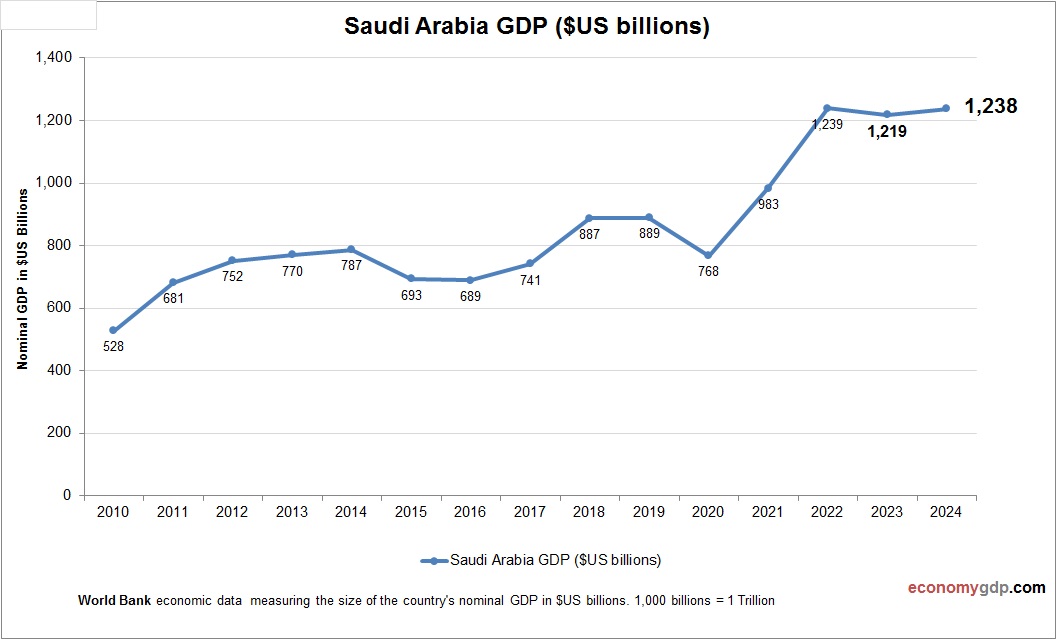
Sudan Purchasing Power Parity (PPP)
Sudan’s economy has a PPP GDP of $110 billion, over three times its $35 billion nominal GDP, due to low costs for agriculture and oil. PPP per capita is around $2,500, reflecting low purchasing power. Conflict disrupts markets, but PPP highlights potential for domestic growth if stability improves.

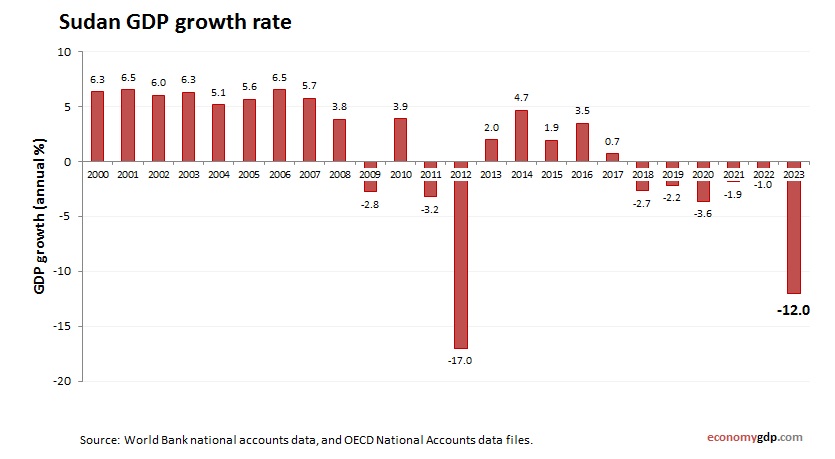
Sudan Growth Rate
The economic growth rate is 0.5% in 2024, reflecting stagnation due to conflict and sanctions. Agriculture and gold exports drive limited activity, but displacement and infrastructure collapse hinder progress. International aid provides some resilience, though political instability severely constrains meaningful economic recovery.
Sudan Inflation
Sudan’s inflation rate is around 100% in 2024, among the highest globally, driven by conflict and currency collapse. Supply disruptions and import reliance for food and fuel skyrocket costs, while agricultural setbacks add pressure. Monetary mismanagement fuels demand, with limited policy tools sustaining hyperinflation in this war-torn economy.
