British East India Company 1600: Trade and Empire
In 1600, Queen Elizabeth I chartered the British East India Company, controlling trade in India and establishing economic dominance.

World economy charts, business frameworks and diagrams
In 1600, Queen Elizabeth I chartered the British East India Company, controlling trade in India and establishing economic dominance.
The transatlantic slave trade, while a human tragedy, financed early capitalist economies, supplying labor for plantations and global commerce.
17th-century Japan introduced rice futures for stable prices, creating one of the first derivative markets in history.
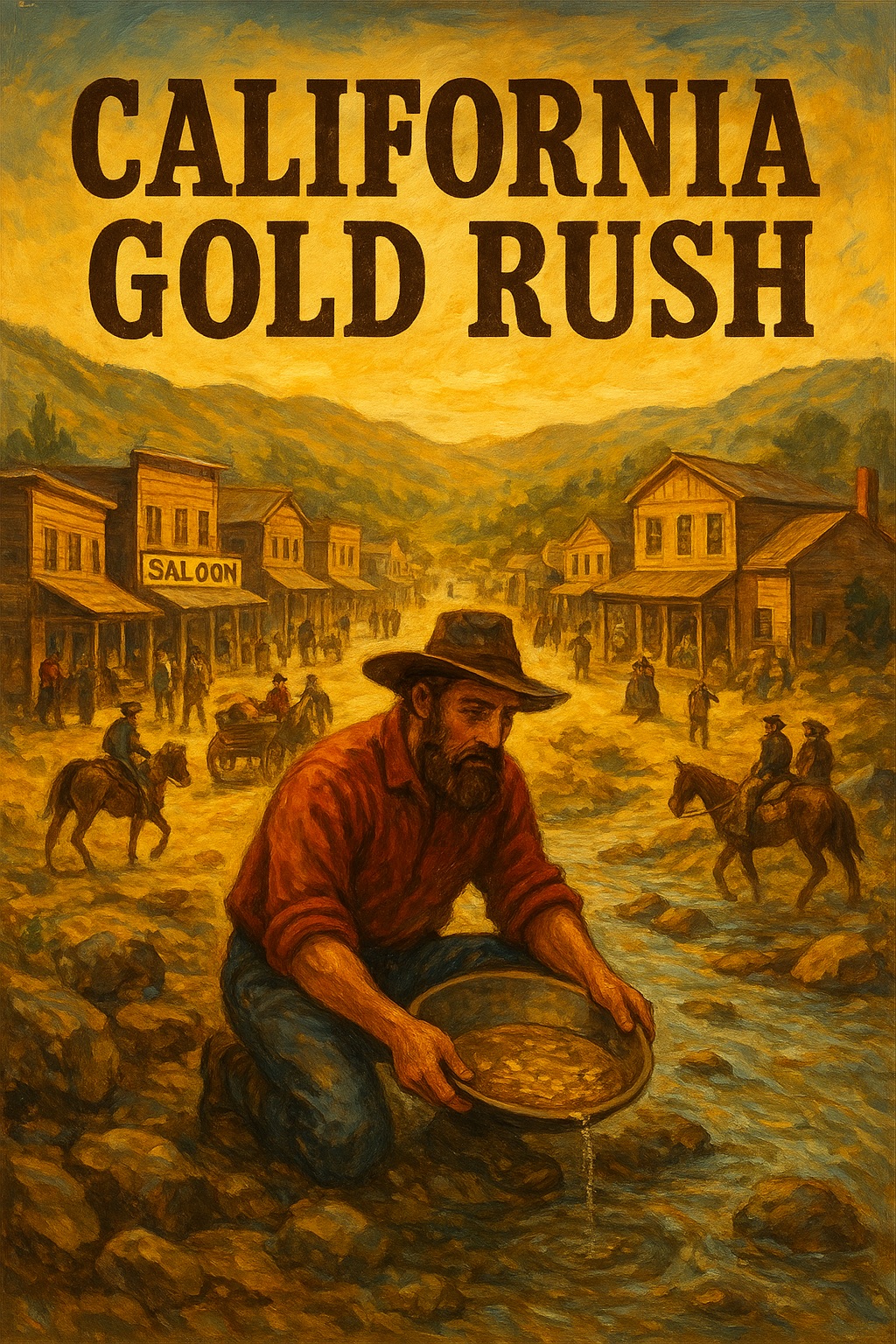
The California Gold Rush of 1848–1855 triggered one of the most dramatic economic transformations in U.S. history. What began as a local discovery at Sutter’s Mill rapidly drew hundreds of thousands of prospectors, entrepreneurs, and immigrants from around the world. View diagram California Gold Rush Economic Transformation
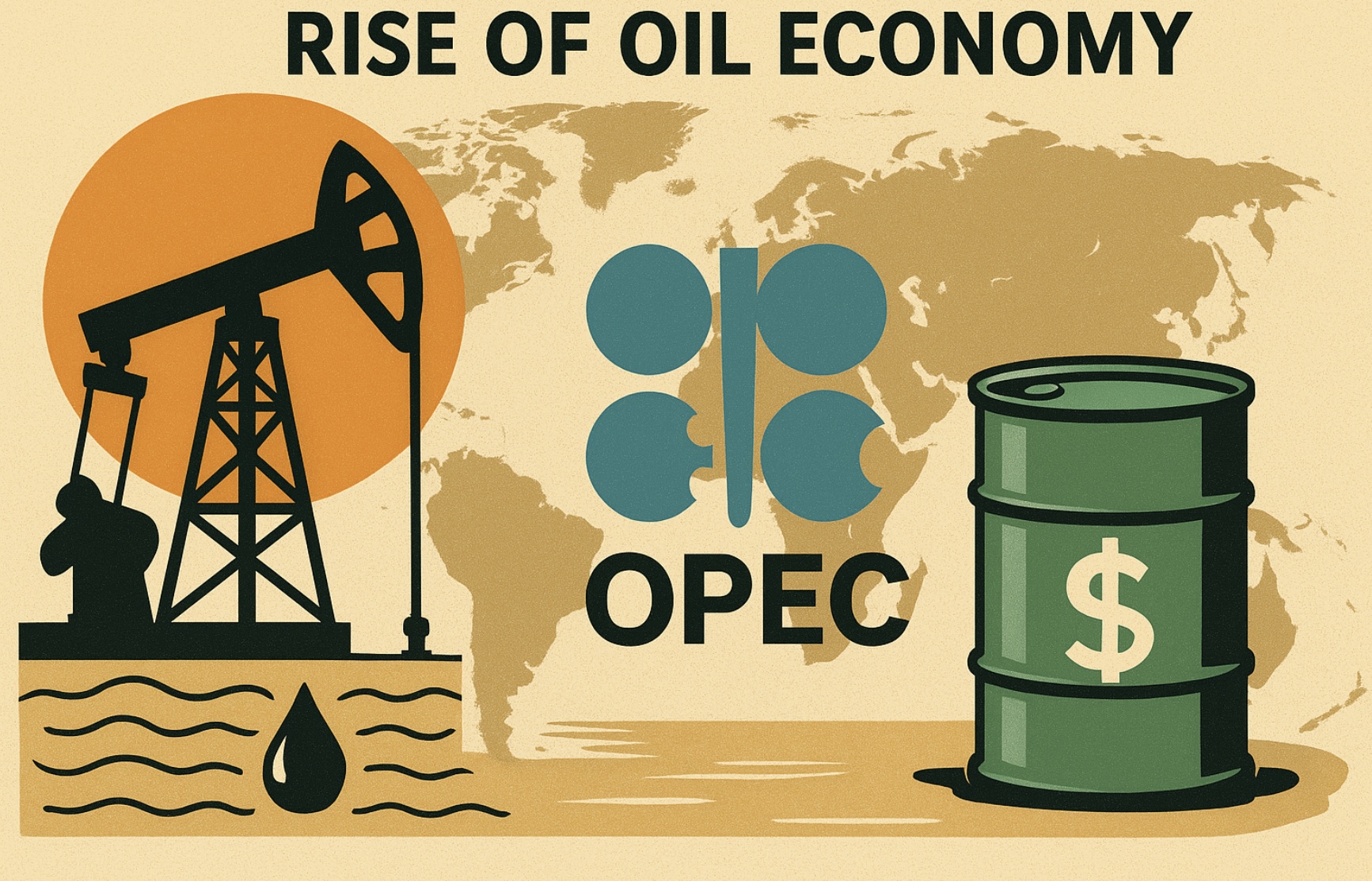
The rise of the oil economy transformed the global economic landscape in the 20th century, reshaping industries, trade, and geopolitics. Before oil became dominant, coal powered much of the world’s energy needs, but the discovery of vast oil reserves in View diagram Rise Of Oil Economy And OPEC Impact
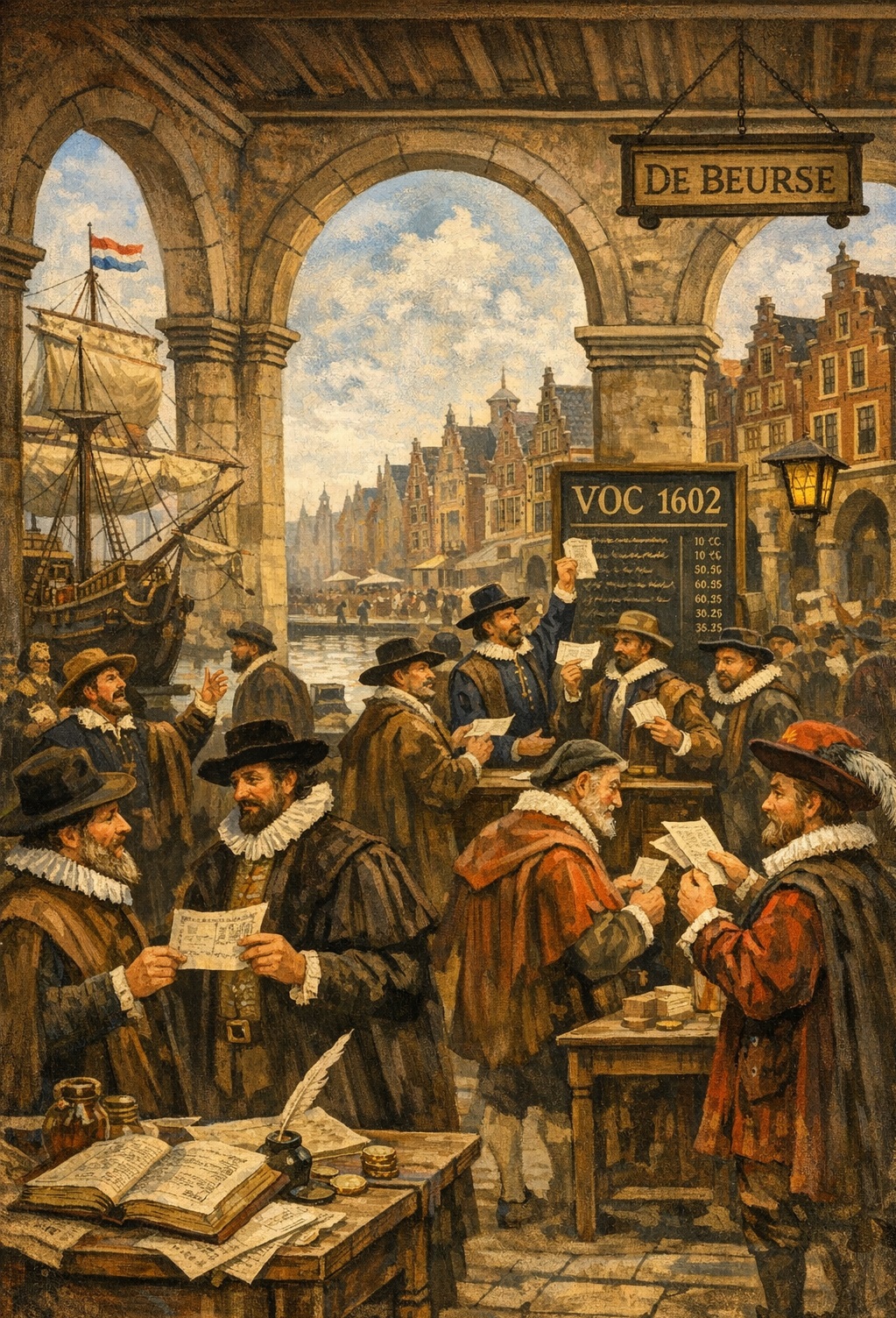
The rise of the stock exchange in Amsterdam in 1602 marked a turning point in capitalism. It allowed people to invest in companies like the Dutch East India Company, creating modern financial markets that shaped investment practices today. The origins View diagram Amsterdam Stock Exchange: Origins of Investing

During the Tang and Song dynasties, China revolutionized the economy by inventing paper money. Originally backed by gold or silk, this innovation made trade more efficient across vast distances. By the 11th century, the Song government issued the worlds first View diagram China Invention of Paper Money Tang and Song Dynasties
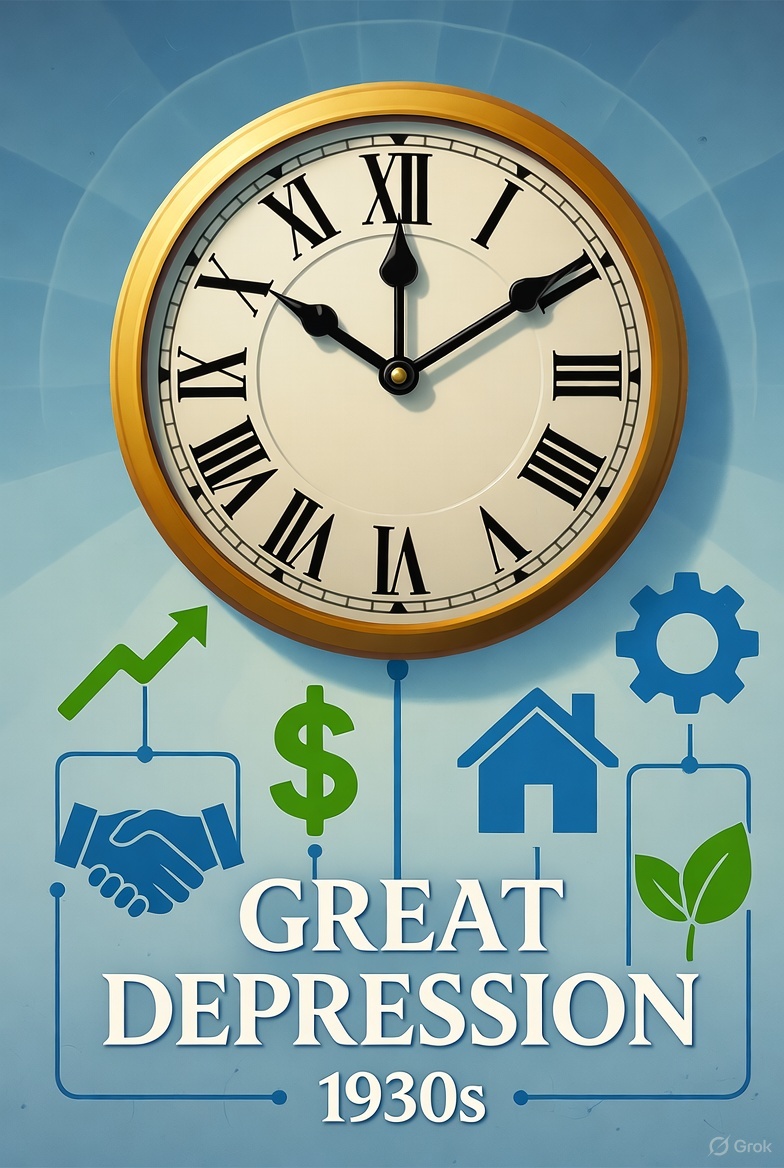
The Great Depression of the 1930s was the most severe economic downturn in modern history. Triggered by the 1929 stock market crash, it led to massive unemployment and bank failures worldwide. In the United States, GDP fell by nearly 25%, View diagram Great Depression 1930s Economic Reforms and Recovery
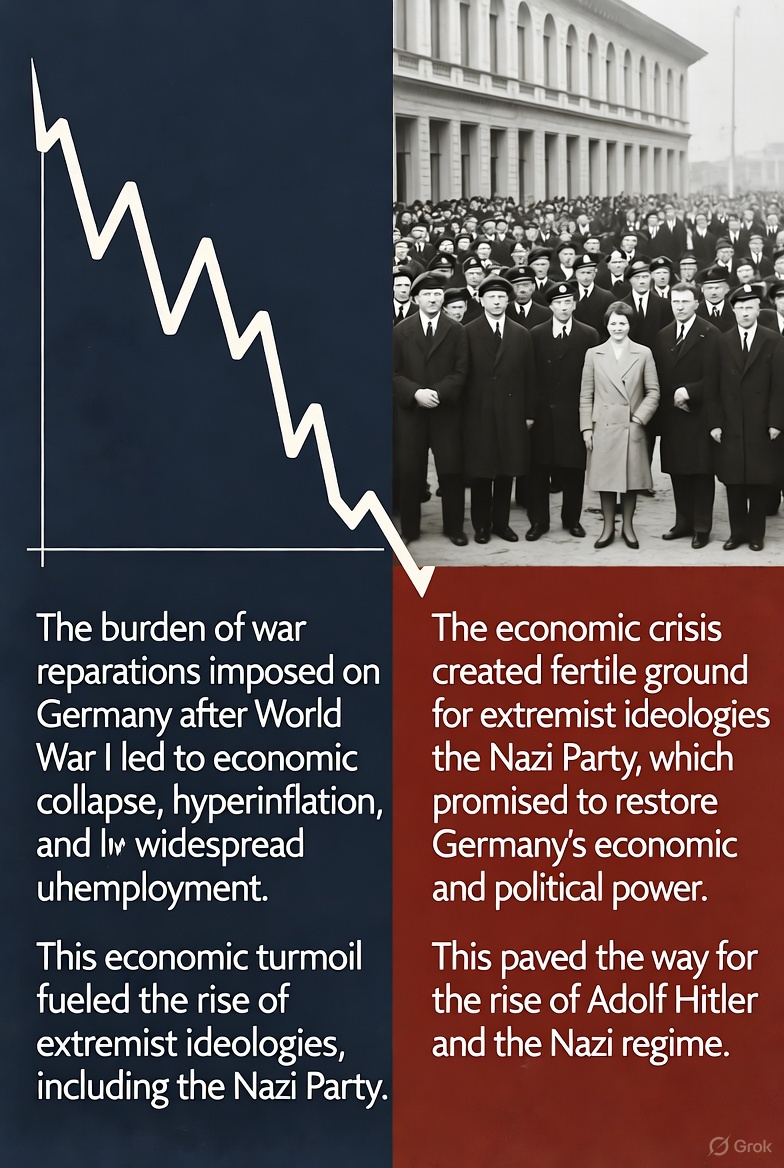
Germany’s post-WWI reparations crippled its economy, fueling hyperinflation, political unrest, and the rise of extremism in the 1920s. After World War I, Germany faced severe economic and political turmoil due to the harsh reparations imposed by the Treaty of Versailles View diagram Germany WWI Reparations: Economic Collapse and Extremism
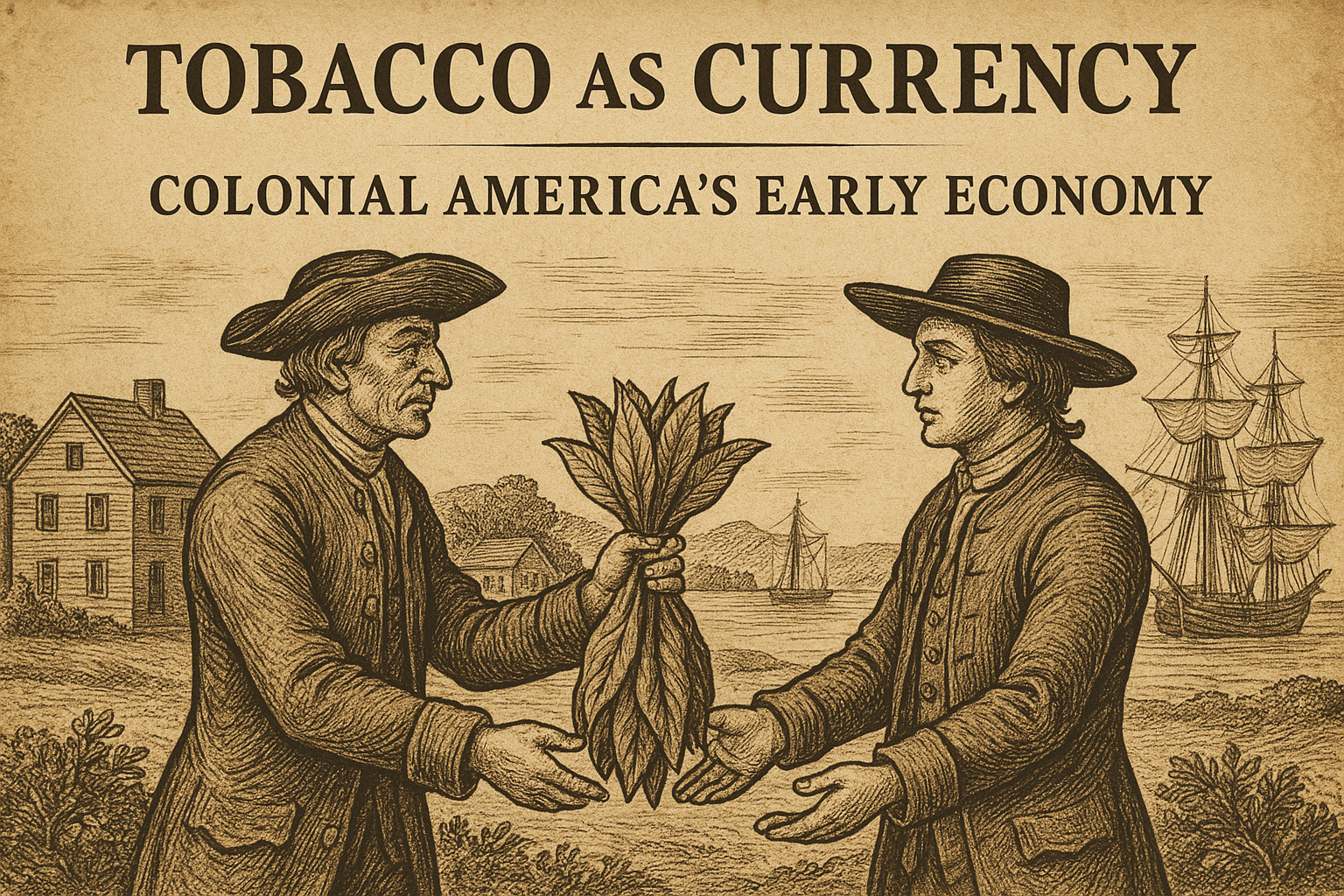
In Colonial America, tobacco played a vital role not just as a cash crop but as an actual form of currency that fueled the early economy. Especially in the 17th century, before stable coinage and banking systems existed, colonists in View diagram Tobacco as Currency: Colonial America’s Early Economy